

 English (UK)
  Deutsch (Deutschland)
  Türkçe (Türkiye)
  Arabic (ar)
  Русский (Россия)
  (پارسی) Persian
  简体中文(中国)
Introduction to Importing Goods from Turkey to Iran
What You Will Learn in the Article
Iran shares a border with Turkey and has strong political and trade relations with the country. The main goods imported from Turkey include: personal care products, jewelry, various personal accessories, home decorations, carpets, doormats, statues, different types of lamps and lighting, curtains, photo frames, wall art, flower pots, wall coverings, porcelain, glassware, various types of wood, construction materials like tiles and ceramics, electronic parts, agricultural equipment including tools and machinery, and different types of paint.
In this article, we explain how to import goods from Turkey, how to ship cargo from Turkey to Iran, the shipping costs from Turkey, a list of products with high import potential, and the rules for prohibited or restricted goods. This guide helps you understand all the key steps for importing goods from Turkey.
Importing Goods from Turkey
The strong political and trade relations between Turkey and Iran have made the two countries ideal trade partners. Iran has significant trade activity in importing goods from Turkey. Imports from Turkey are processed through major customs points, including Tehran West Customs, Bazargan Customs, Sarv Customs, Khoy Customs, and Razi Customs.
Methods of Shipping Cargo in Imports from Turkey
Land Transit from Turkey to Iran
Land transit is the most efficient way to import goods from Turkey. Products easily enter Iran through the Bazargan border. For land transport, you can rent FTL trucks to ship goods directly from the factory to Iran. If you want to reduce shipping costs, you can use LTL and share a truck with other shipments, but this method increases delivery time.
Air Freight from Turkey to Iran
Air transport is often used due to the reasonable rates of Iranian airlines. Cargo is shipped directly from Istanbul Airport to Imam Khomeini Airport in Tehran.
Sea Freight from Turkey to Iran
Sea shipping is also possible, but it is rarely used and only in special cases.
Rules for Prohibited or Restricted Goods in Imports from Turkey
According to Iranian and Turkish regulations, the following goods are prohibited or require special permits:
- Weapons, drugs, and alcoholic beverages
- Meat, dairy products, salt, and flour
- Antiques and gambling devices
- Hunting cameras
- Incomplete invoices
- Handmade carpets
- Soil and dirt
- Cosmetics
- Pistachios (maximum 20 kg per passport according to Iranian law)
- Gold (maximum 15 grams per person according to Iranian law
Permits for Importing Goods from Turkey
To import goods from Turkey, traders must obtain specific documents and approvals from different authorities. Some of the main required permits for importing goods from Turkey include:
- CE Standard Certificate
- Mandatory Iranian Standard Certificate
- Health Certificate
- Certificate of Origin
- Brand Registration License
Importing Goods from Turkey by Air Freight
Importing goods from Turkey by air freight is commonly used due to the reasonable prices of Iranian airlines. Cargo is shipped directly from Istanbul Airport to Imam Khomeini International Airport in Tehran.
Importing Goods from Turkey by Land Transit
The cheapest and easiest method for importing goods from Turkey is land transit by truck. Land transportation from Turkey is often more cost-effective than sea freight, as goods are delivered directly to the destination customs office. This eliminates extra costs for transporting cargo from the destination port to your final city.
Importing Goods from Turkey by Sea Freight
Importing goods from Turkey by sea freight is possible, but it is used less frequently and only in special cases.
Since Turkey shares a land border with Iran, sea freight is usually not recommended for importing goods from Turkey. In most cases, it is better to transport cargo by land. Sea freight is mainly cost-effective for shipments whose bill of lading has changed and are sent from Europe to Iran. These shipments are mostly transported from Mersin Port to Bandar Abbas Port.
Steps for Importing Goods from Turkey
Importing goods from Turkey is easier compared to many other countries. Different methods can be used for importing from Turkey. In this section, we explain the main steps of importing goods from Turkey.
List of Products for Importing Goods from Turkey
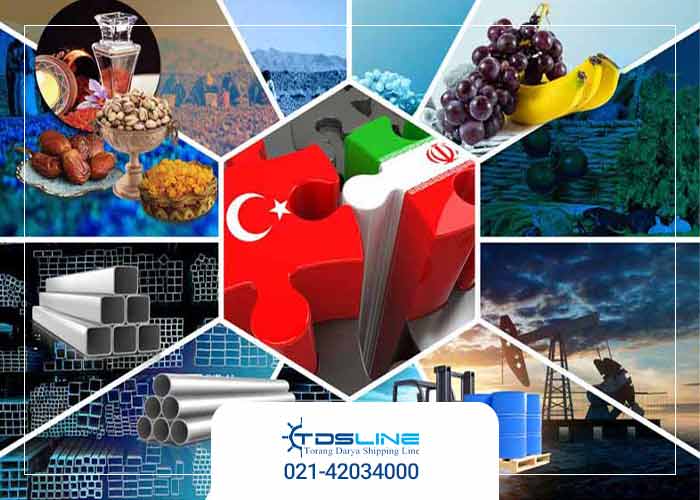
Importing goods from Turkey has strong potential for many product categories. The main import products from Turkey include:
- Auto spare parts (one of the most profitable imports)
- Machinery
- Cosmetics
- Electrical and household appliances
- Textile products (high-profit imports)
- Clothing and garments (one of the most profitable imports from Turkey)
Best and Most Imported Goods from Turkey to Iran
The items mentioned above are among the most profitable product categories for importing from Turkey to Iran. Other best-selling imported products from Turkey include:
- Electronic parts
- Personal care and hygiene products such as skincare items, oral hygiene products, soaps, and more
- Jewelry and personal accessories
- Various types of wood
- Food products including coffee, chocolate, chewing gum, cakes, cookies, chips, sauces, and more
- Construction materials such as tiles and ceramics
- Agricultural equipment and machinery
- Different types of paint
- Decorative items including carpets, doormats, statues, lamps and lighting equipment, curtains, photo frames, wall art, flower pots, wall coverings, porcelain, and glassware
Trade Partnership in Importing Goods from Turkey
Turkey and Iran are strong trade partners. Annual growth data shows that imports from Turkey to Iran continue to increase every year. Iran holds a significant share of the Turkish export market, and the demand for importing goods from Turkey is growing steadily.
Required Documents for Importing Goods from Turkey
To import goods from Turkey, several documents are required. Some documents must be obtained in Turkey, while others must be issued in Iran. All goods must be registered in the customs system. The main required documents for importing goods from Turkey include:
- Business Card
- Invoice / Sales Invoice
- Proforma Invoice
- Packing List
- Import Permits (if required)
- Cargo Weighing Certificate
- Initial Assessment Approval
- Final Assessment Approval and Exit Gate Authorization
- Bill of Lading and cargo tags issued by the shipping company
- Final inspection approval or X-ray inspection
- Certificate of Origin
- CE Standard Certificate
- Health Certificate
- Mandatory Iranian Standard Certificate
- Power of Attorney and customs broker coding in Iran Customs
For price inquiries, cargo shipping, and importing goods from Turkey, please contact torang Darya Shipping Company.
Challenges of Importing Goods from Turkey
One of the main challenges in importing goods from Turkey is the decline in the value of the Turkish lira. This decrease has reduced sales for Turkish traders. However, this situation is temporary, and the Turkish market continues to show a positive growth trend.
Another major challenge for Iranian traders is having sufficient knowledge of the Iranian market and consumer demand. Despite these challenges, importing goods from Turkey remains one of the most profitable opportunities for Iranian traders.
Major Ports of Turkey for Importing Goods
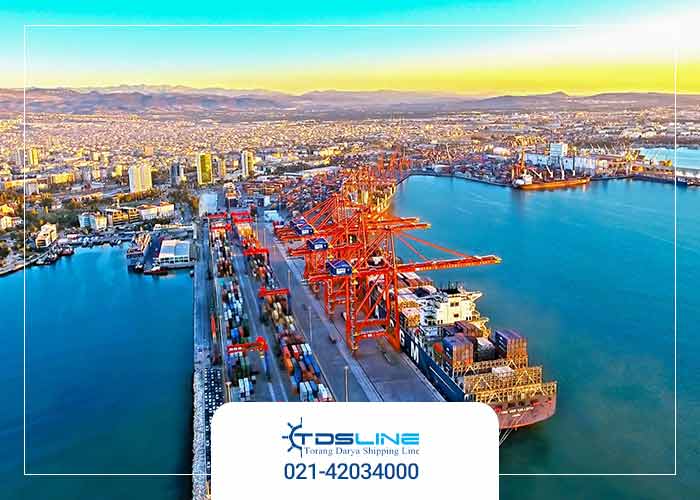
The most important Turkish ports used for shipping goods from Turkey to Iran include:
- Mersin Port
- Istanbul Port
Major Airports of Turkey for Importing Goods
The main Turkish airports used for cargo transport from Turkey to Iran are:
- Istanbul New Airport
- Sabiha Gökçen Airport
- Izmir Airport
- Esenboğa Airport (Ankara)
- Antalya Airport
- Erzurum Airport
Shipping Costs in Importing Goods from Turkey
The cost of shipping goods from Turkey depends on the type of transportation and several other factors such as incoterms and the nature of the goods. The main cost factors include:
- Type of transport (sea, air, or land)
- Weight of the cargo
- Volume of the cargo
- Exact pickup address
- Purchase terms (Incoterms)
- Transport permit fees in Turkey
- Bill of lading fees
- Warehouse receipt and handling charges at Iranian customs
- Customs clearance costs
Advantages of Importing Goods from Turkey
Some of the key advantages of importing goods from Turkey include:
- Shared land border between Turkey and Iran
- Multiple shipping options including land, air, and sea transport
- High security at Turkish and Iranian borders
- Lower shipping costs compared to many other countries
- Cultural similarities between Turkey and Iran
- Easy learning of the Turkish language for Iranians
- Presence of Iranian communities in various Turkish cities
- Smooth communication between Iranian and Turkish traders
Frequently Asked Questions
The most profitable goods imported from Turkey include:
- Electrical and household appliances
- Cosmetics
- Clothing and garments
- Machinery
- Auto spare parts
FTL stands for Full Truck Load. In this method, you rent an entire truck and pay the full transportation cost. FTL is used when your cargo fills the whole truck. Since you occupy the full truck capacity, all shipping costs are your responsibility.
LTL stands for Less Than Truck Load and is commonly known as groupage or partial load. This land transportation method is used when your cargo does not fill a full truck. In LTL shipping, you do not need to pay for the entire truck. Instead, the transportation cost is shared with other shippers, which helps reduce expenses.
In LTL or groupage shipping, the driver may need to load and unload your cargo multiple times along the route. It is also unclear what other goods are placed next to your cargo. Longer delivery times increase the risk of road damage and accidents, making LTL less secure.
For this reason, traders shipping fragile, sensitive, or high-value goods usually avoid LTL and prefer FTL shipping. In FTL transport, no other cargo is placed alongside your goods, and delivery is done as quickly as possible, which significantly reduces the risk of damage.
The land transportation time for FTL (Full Truck Load) or a dedicated truck from Istanbul to Tehran Customs is approximately 8 to 10 days. It is also possible to ship cargo as LTL which is cheaper, but the delivery time may be longer.
Air freight from Turkey to Iran with Turkish or Iranian airlines is completed within one day. However, it is very important to check flight availability. In some cases, the first available cargo flight may be scheduled several days later, so the flight date must always be considered.
Sea freight from Turkey to Iran usually takes around 14 to 18 days. In sea transportation, goods can be loaded into 20-foot and 40-foot containers.
In importing goods from Turkey, the Certificate of Origin shows the quantity of goods and the standards under which the products are exported from Turkey. This certificate is issued by the exporting country and confirms the origin of the goods. The Certificate of Origin helps authorities identify what product is being imported and how it should be handled. Therefore, it is one of the mandatory documents for importing goods from Turkey.
The CE Certificate indicates that a product meets European safety, health, and environmental standards. It shows that the goods comply with EU regulations and are approved for trade and use in many countries.
The CE Certificate is one of the required documents for importing goods from Turkey and is needed based on the type of product you plan to import. For example, when importing food products such as fruits, specific CE certificates may be required. This certificate confirms the safety and health standards of the product. In simple terms, it shows that the goods are environmentally compliant and meet the required standards in Turkey, without causing any harm.
In importing goods from Turkey, the sales invoice is one of the most important documents and must be issued for all products. Customs authorities place strong emphasis on this document.
Another essential document is the proforma invoice, which is just as important as the sales invoice. Without a proforma invoice, importing goods from Turkey is not possible. Both the invoice and the proforma invoice include complete information about the trader and the imported products, such as the type of delivery terms and the quantity of goods.
When importing goods from Turkey, especially food products, an additional document called a Health Certificate is required. Based on this certificate, Iranian authorities confirm the health and safety of the goods and ensure they are free from diseases.
Conclusion
Importing goods from Turkey is a growing opportunity for Iranian traders. Iran shares a close land border with Turkey, and Turkey has a strong and stable market. The increasing trend of imports from Turkey, cultural similarities, and simple rules and regulations have created favorable conditions for Iranian businesses to import goods from Turkey easily.
In this article, we explained the market conditions, regulations, and challenges of importing goods from Turkey. We hope this guide has provided useful and practical information about shipping cargo and importing goods from Turkey.
For more information about shipping from Turkey and importing goods from Turkey, you can contact Torang Darya Shipping Company


 1885
1885