

 English (UK)
  Deutsch (Deutschland)
  Türkçe (Türkiye)
  Arabic (ar)
  Русский (Россия)
  (پارسی) Persian
  简体中文(中国)
Export and Shipping Cargo to Africa
Exporting to Africa has attracted the attention of manufacturers and exporters worldwide. Africa, as the second-largest and second-most-populated continent, is an attractive market for companies globally. The demand for consumer goods imports in Africa has increased in recent years.
Shipping and international transport companies are key players in global trade. Sending cargo to Africa, a growing and emerging market, is very important. Africa, with its 54 independent countries, offers a unique variety of cultures, economies, and natural resources. Its geographic location makes it a bridge between Europe, Asia, and the Americas, establishing it as a key destination for global trade.
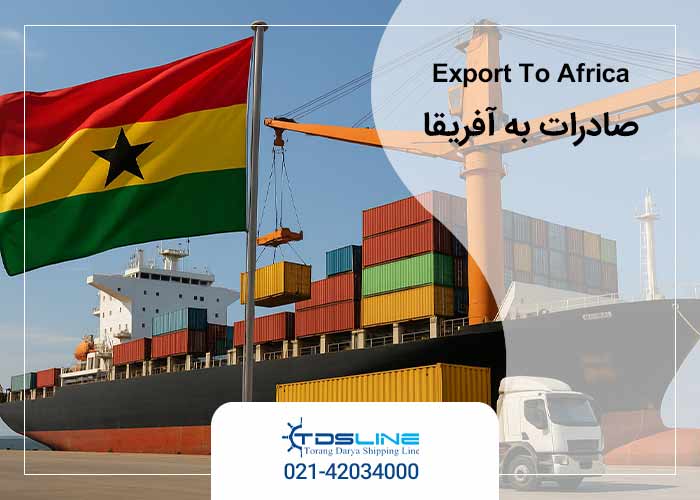
Container Shipping for Exporting to Africa
Container shipping is a [: popular and cost-effective] method for sending cargo to Africa. It enables the transport of raw materials, agricultural products, industrial goods, and consumer products. Standardized containers make [: loading, unloading, and transferring cargo faster, safer, and easier] at every stage. Different container types give Iranian traders [: the flexibility] to send various goods to African countries while maintaining quality.
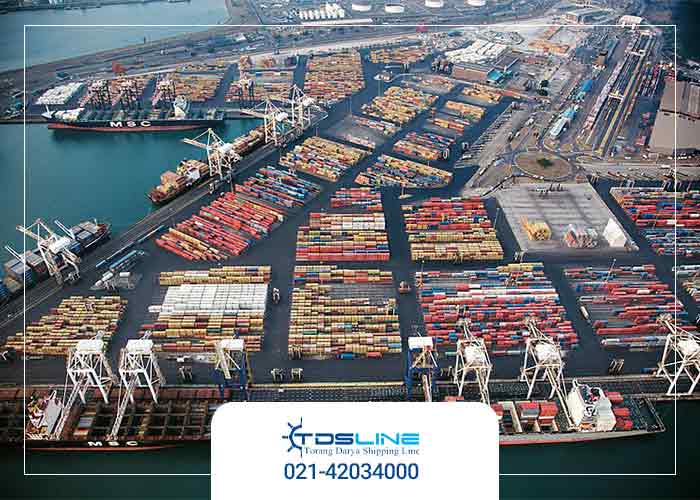
Strategic Ports for Shipping to Africa
Seaports are crucial for exporting to Africa. Through these ports, Africa connects with other countries. [: Major ports for exporting to Africa include:]
• Port of Mombasa, Kenya
• Dar-es-Salaam Port, Tanzania
• Port of Abidjan, Ivory Coast
• Damietta Port, Egypt
• Port of Casablanca, Morocco
• Port Sudan, Sudan
• Port of Dakar, Senegal
• Port of Tunis, Tunisia
• Port of Misrata & Port of Tripoli, Libya
• Port of Djibouti, Djibouti
Torang Darya Shipping Company enables fast export and cargo delivery to Africa
☎ 021-42034000☎

Top Exports Products to Africa
Major exports to Africa include food products such as rice, oil, wheat, raisins, and dates, as well as chemicals, industrial oils, petroleum products, bitumen, urea fertilizer, liquefied gas, stationery, household appliances, electronics, mobile phones, machinery, engineering products, steel products, medical equipment, medicines, spare parts, car batteries, tires, water pumps, and lubricants.
Trade Partners in Exports to Africa
Key trade partners for exporting to Africa include [: Iran, France, the USA, Germany, Spain, India, Turkey, Russia, and China.]
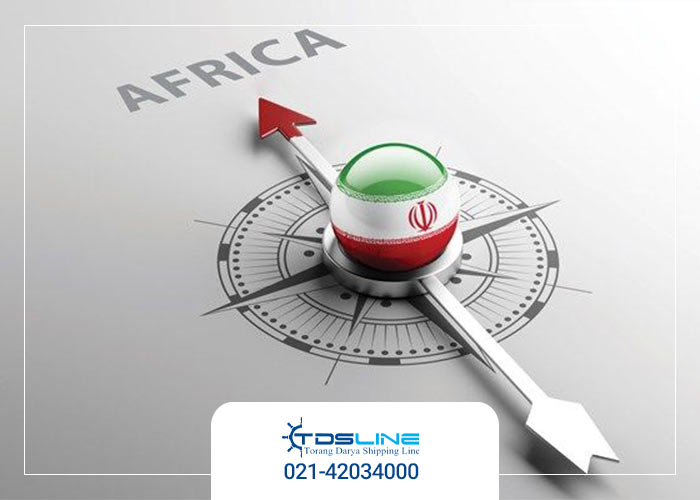
Iran’s Exports to Africa
Iran exports petrochemical products, cement, carpets, dried fruits, and industrial machinery to Africa. Imports from Africa mainly include agricultural products, minerals, and consumer goods. [: Professional and reliable shipping services are essential] to ensure safe and timely delivery.
Market Insights for Exports to Africa
1. Africa’s growing population is driving the export market, although some countries still have [: untapped potential] for Iranian products.
2. Shipping lines to African ports are now [: readily available].
3. China and India are strong competitors in Africa, entering the market with [: well-planned strategies] to sell products, offer services, and find new customers.
Main Target Countries for Exports to Africa
Key destinations for exports in recent years include Egypt, Sudan, Kenya, South Africa, Tanzania, Djibouti, Mozambique, Morocco, Nigeria, Somalia, Senegal, Algeria, and Tunisia.
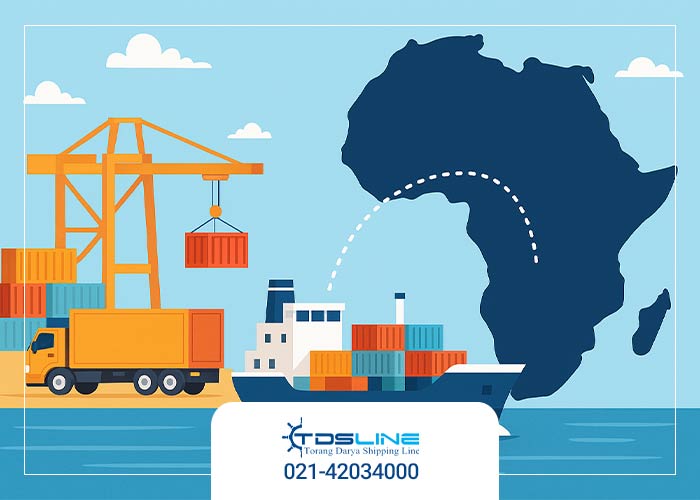
Challenges in Exporting to Africa
Exporting to Africa comes with challenges that require preparation:
1. [: Logistics and transport issues:] Long distances and infrastructure limitations make shipping challenging.
2. [: Banking and currency issues:] Some African countries have difficulties with international payments and banking, including [: secondary sanctions].
3. [: Different business culture:] Negotiation styles, customer expectations, and interactions may differ; understanding [: local culture is critical].
4. [: Political instability:] Security and political risks in some regions increase business risks.
5. [: Lack of reliable partners:] Many Iranian traders [: lack local distribution networks or representatives].
- Logistics and transport issues Long distances and infrastructure limitations make shipping challenging.
- Banking and currency issues Some African countries have difficulties with international payments and banking, including [: secondary sanctions].
- Different business culture Negotiation styles, customer expectations, and interactions may differ; understanding [: local culture is critical].
- Political instability Security and political risks in some regions increase business risks
- Lack of reliable partners Many Iranian traders [: lack local distribution networks or representatives]
Opportunities and Strengths
Despite challenges, Africa remains a high-potential market:
• [: Developing infrastructure:] Advanced ports, transport networks, and reliable financial systems.
• [: Strategic location:] Africa is a gateway for global trade.
Steps for Exporting to Africa
Frequently Asked Questions
Exporting to Africa is important due to its rapid economic growth and the emerging middle class with relatively high incomes.] Unlike some other regions, Africa’s market is still largely untapped, and many Asian and European competitors [: have not fully entered], creating a [: golden opportunity] for Iranian companies seeking to expand exports.
Exporting to South Africa offers great opportunities for Iranian products. Its strategic location in southern Africa [: provides access to regional markets] and can serve as a gateway to expand business to other Southern African Development Community countries.
Products such as petroleum derivatives, steel products, food items, petrochemicals, medicines, medical equipment, household appliances, and electronics are [: in demand] in African markets.
Target markets can be identified through market research, trade data analysis, consulting with reputable trading companies, and participating in international trade fairs.
Challenges include [: cultural differences], complex customs regulations, transportation issues, and competition from other countries.
By researching company histories, checking previous customer reviews, and establishing [: direct communication], you can identify trustworthy trading partners for collaboration.
Conclusion
With Africa’s growing economy and young population, it is an excellent destination for trade. By understanding opportunities and challenges, Iranian traders can achieve [: high profitability] in exporting and shipping to Africa. Proper planning, knowledge of trade and transport regulations, and [: effective marketing and sales strategies] are key to success.
If you plan to export goods or ship cargo to Africa, contact the experts at Torang Darya Shipping Company
☎ 021-42034000☎


 34
34